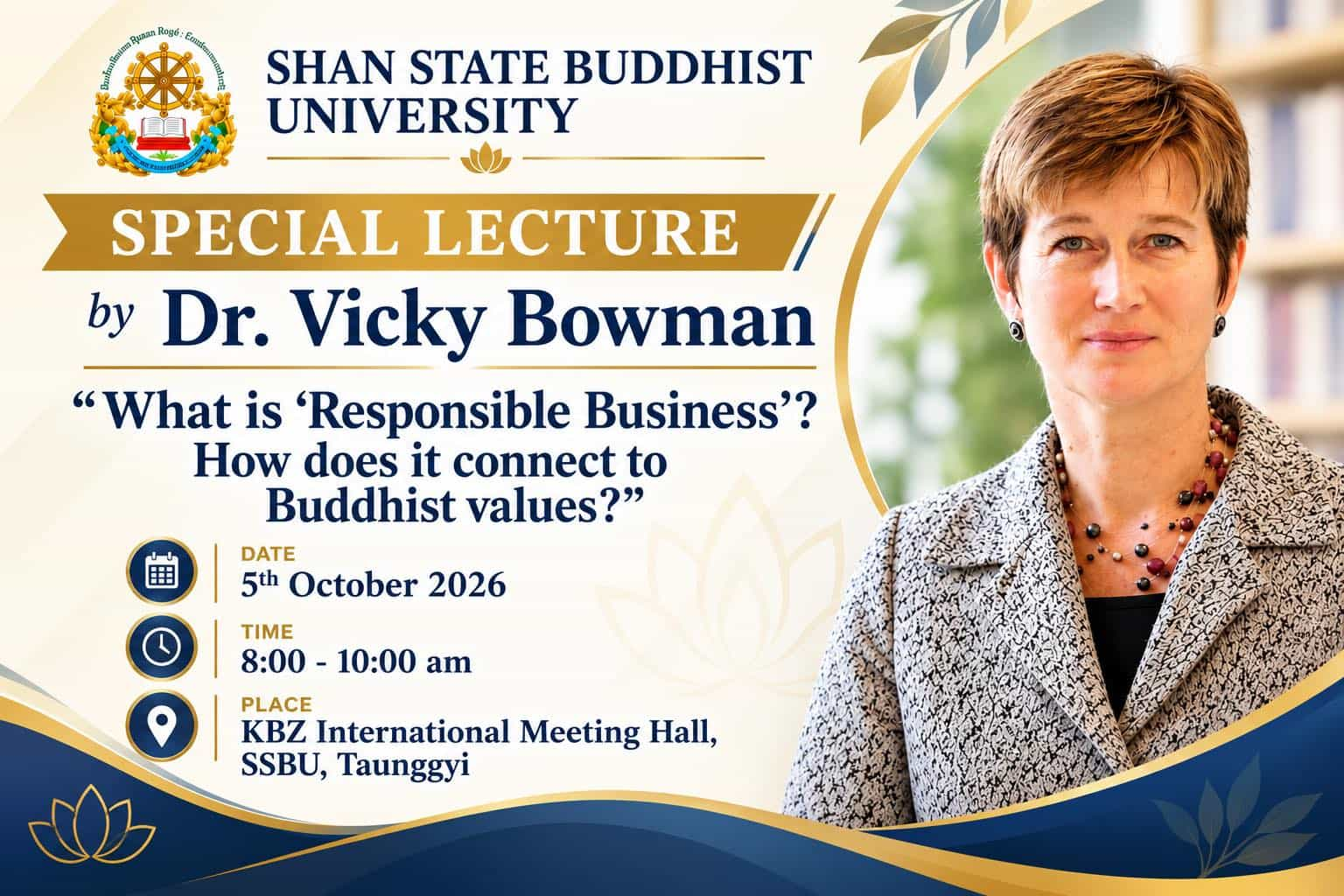
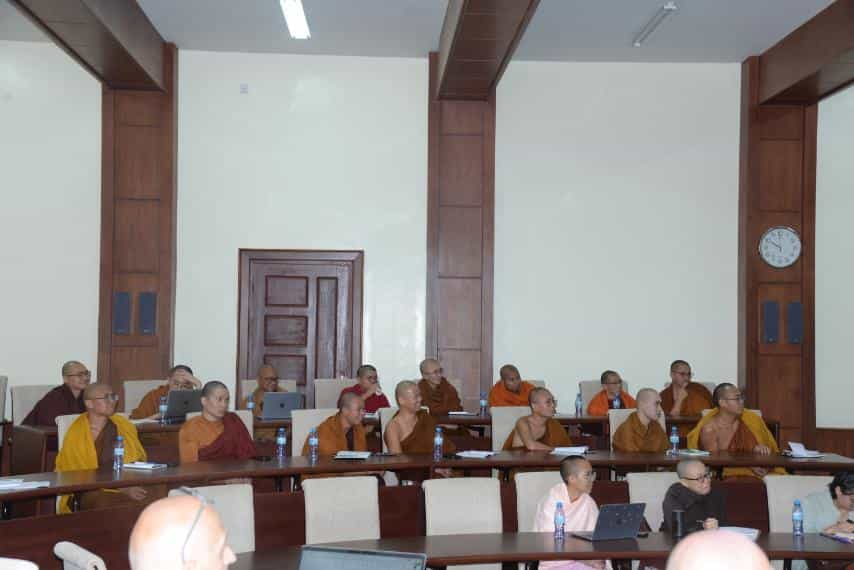
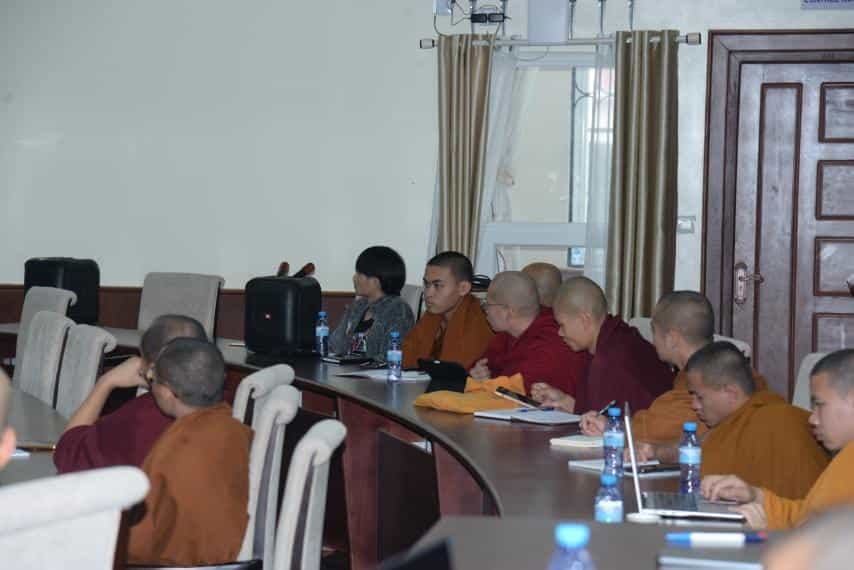
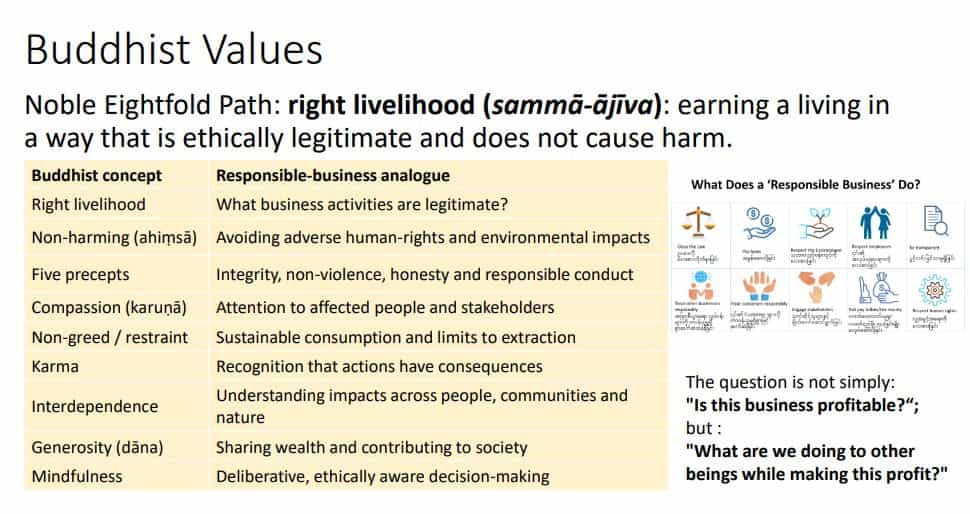
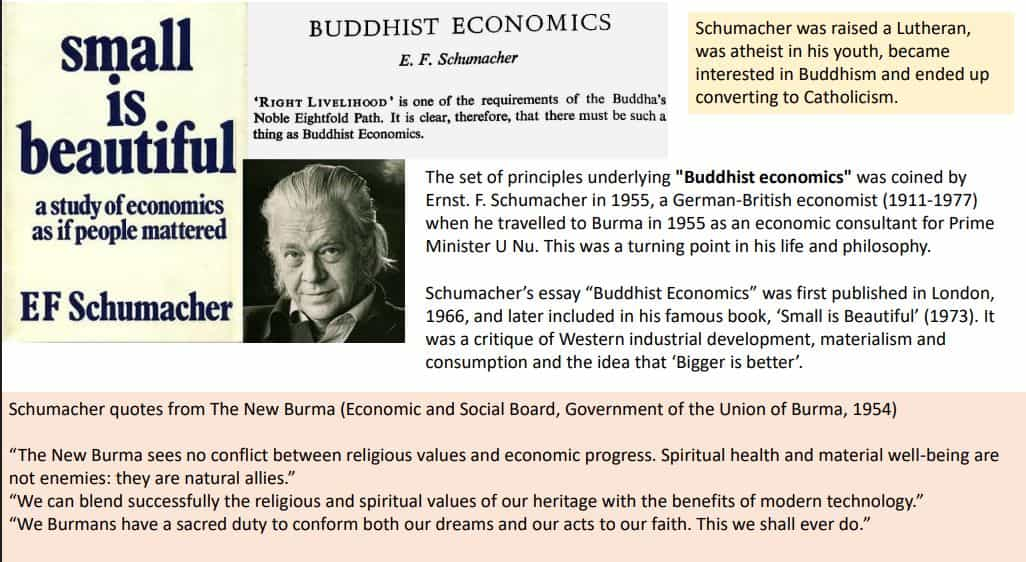
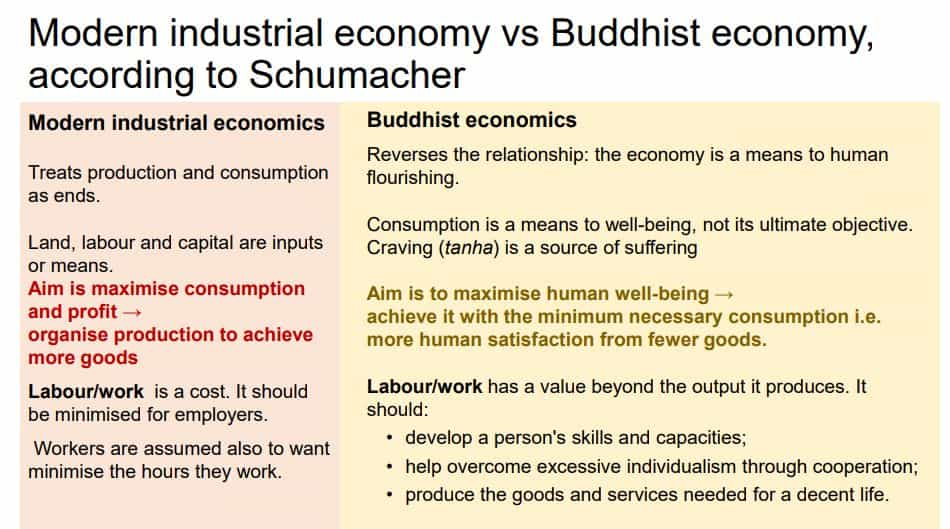
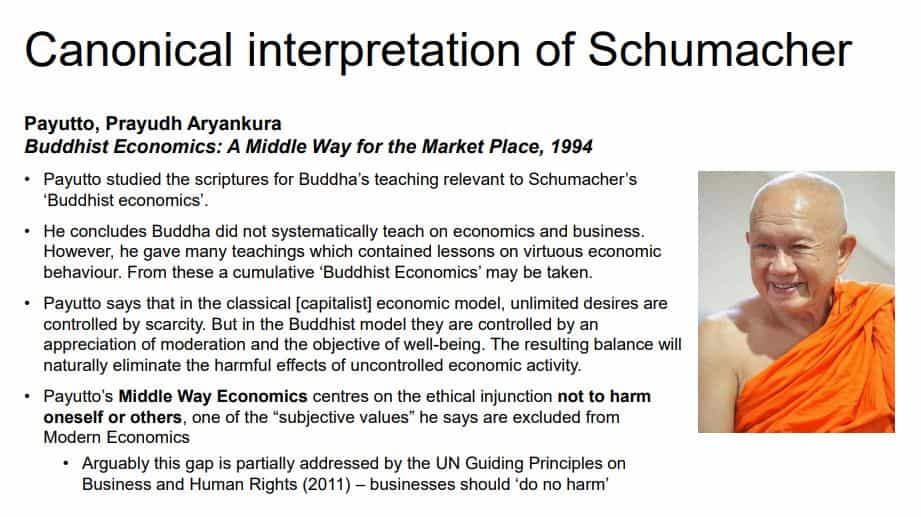
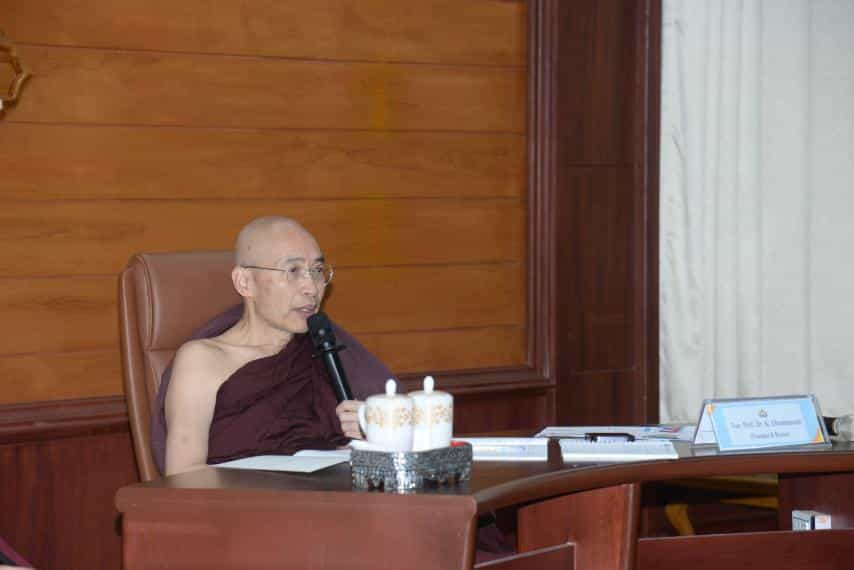
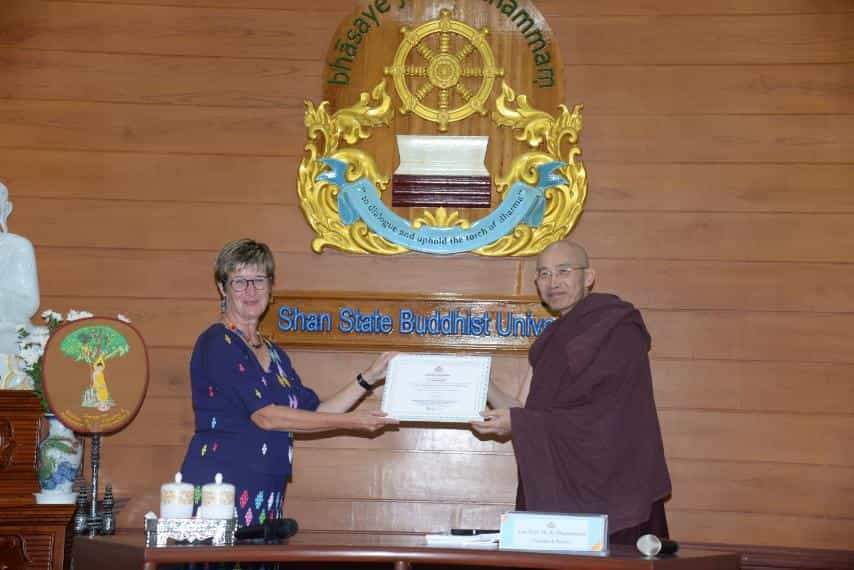
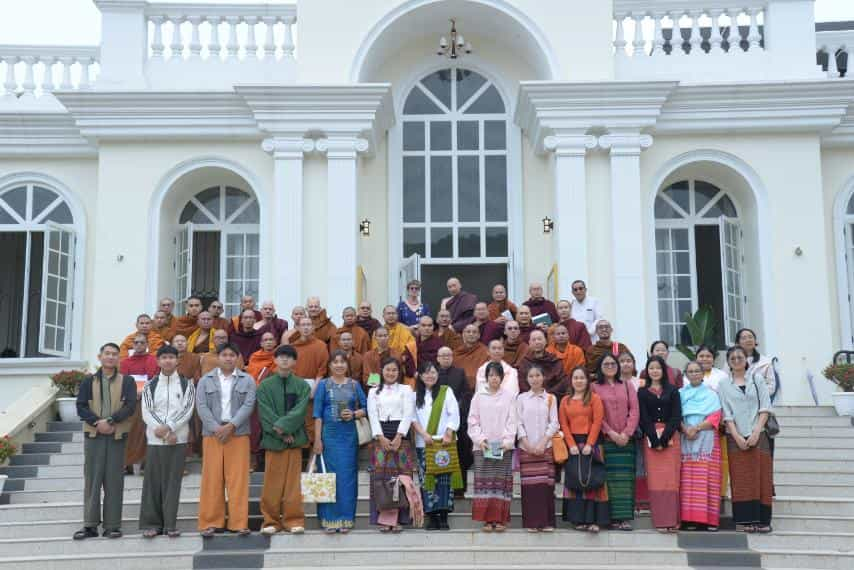
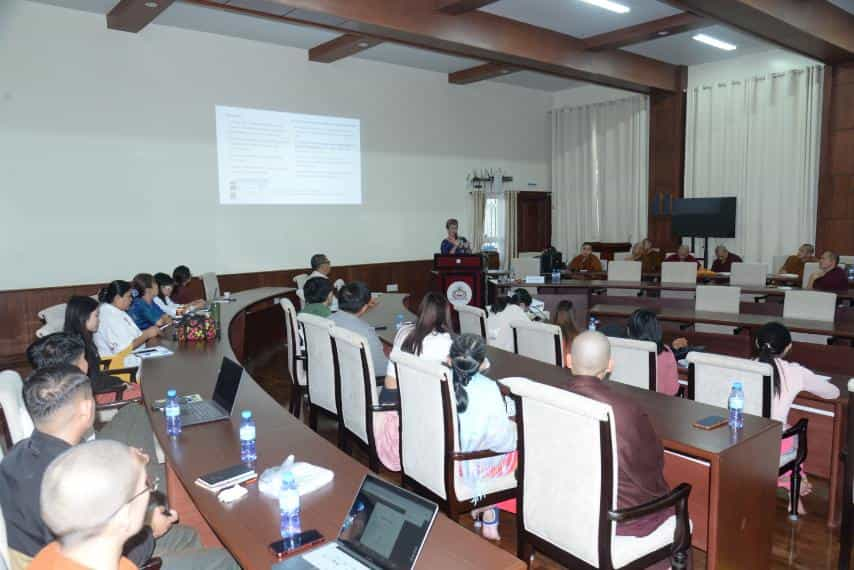
"Special Lecture by Dr. Vicky Bowman<br><br>What is 'Responsible Business'? How does it connect to Buddhist values?<br><br>Date: Monday, 5 November 2026 Time: 7:45 AM – 10:45 AM <br><br>Venue: KBZ International Meeting Hall, Shan State Buddhist University<br><br>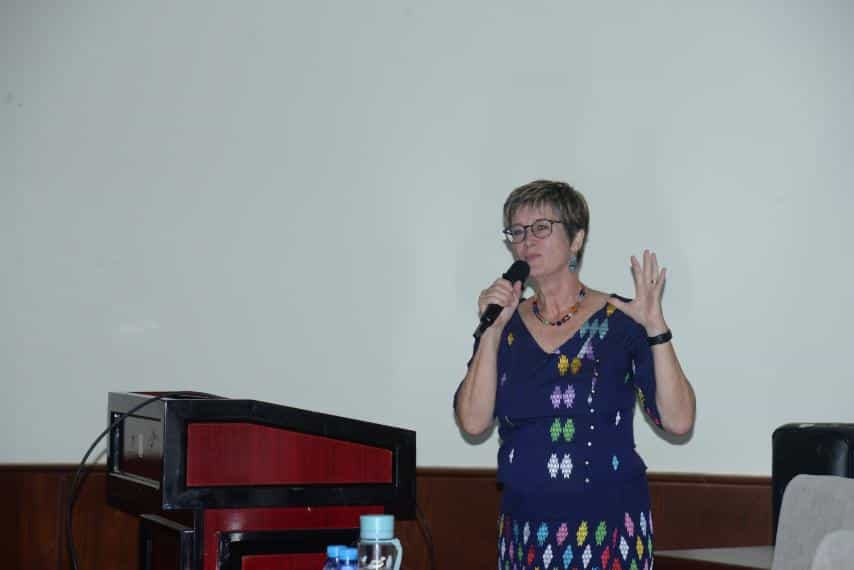 <br><br>Shan State Buddhist University hosted a special lecture by Dr. Vicky Bowman on Monday, 5 October 2026. The theme was: What is "Responsible Business"? How does it connect to Buddhist values? The lecture ran from 7:45 AM to 10:45 AM at the KBZ International Meeting Hall. Ven. Kusala Dhamma, MPhil and cturer at SSBU, served as MC.\n\n## A Welcome Back\n\nDr. Bowman was not a new visitor to SSBU. She had come to the university about ten years ago, when the library was still under construction at its foundation. The audience was pleased to give her a warm welcome back to campus.<br><br>
 <br><br>She first travelled to Myanmar in 1990 as a junior diplomat in her twenties. She returned in 2002 as British Ambassador, then aged 36, one of the youngest ambassadors of her time. She later directed the Myanmar Centre for Responsible Business in Yangon from 2013 to 2025, and she learned to speak Burmese. She has been Senior Adviser at the Institute for Human Rights and Business since 2023, and she chairs the Global Network Initiative.<br><br>
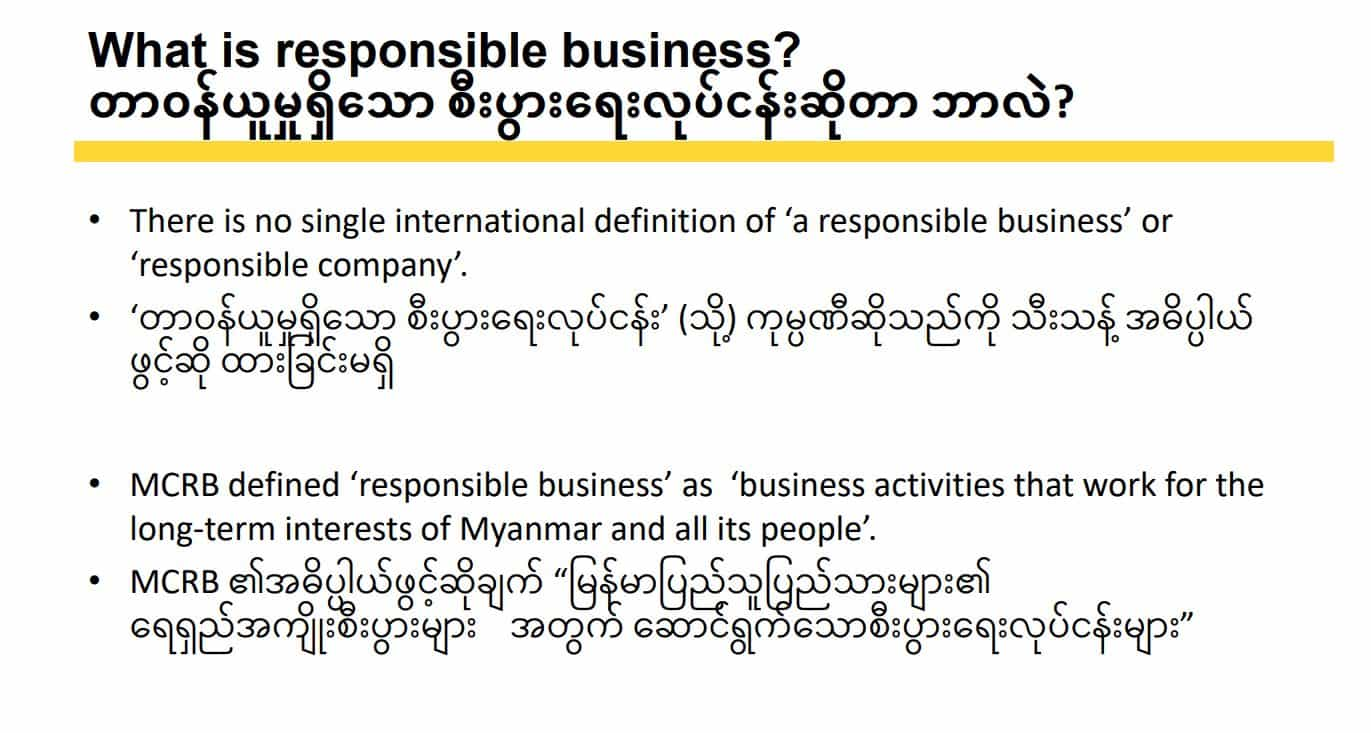
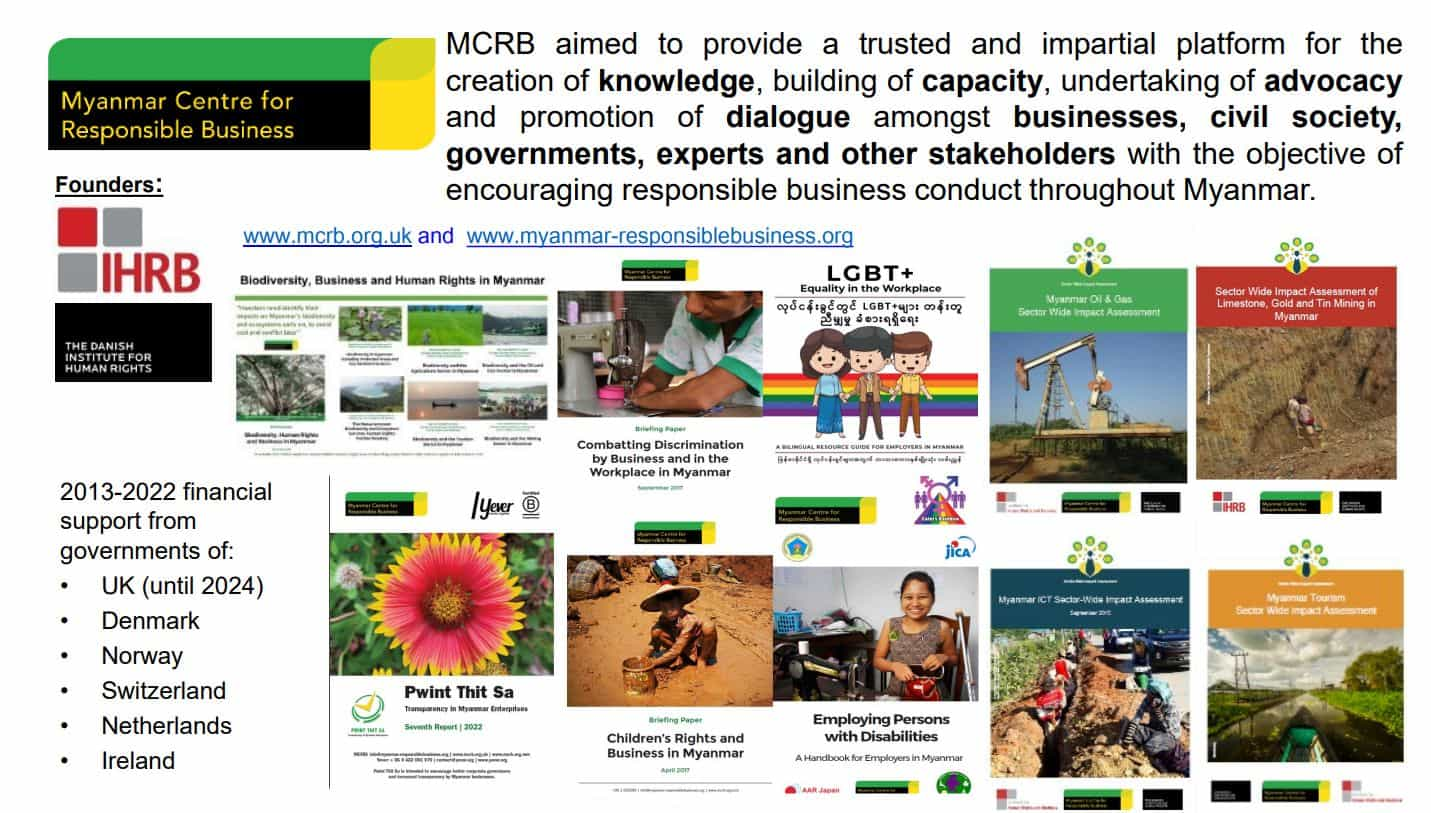 <br><br>Her husband, the famous artist U Htein Lin, attended the lecture. He manages the Dhamma Mahā Pabbata Vipassana Meditation Centre, where many SSBU students have practised. Her father, Dr. Neville Robinson, was an Oxford physicist and a founding Fellow of St Catherine's College. He invented an electronic device that hospitals still use in MRI scanners, and his work appears in the Encyclopaedia Britannica held in the SSBU library. Her brother, William Andrew Robinson, is a scholar and author who has contributed to the same encyclopaedia, including a full-page entry on the Indian film director Satyajit Ray.\n\n## Session One: What Is "Responsible Business"?\n\nDr. Bowman began with a simple point. There is no single international definition of a responsible business. The Myanmar Centre for Responsible Business, which she led, used a working definition: business activities that work for the long-term interests of Myanmar and all its people.<br><br>
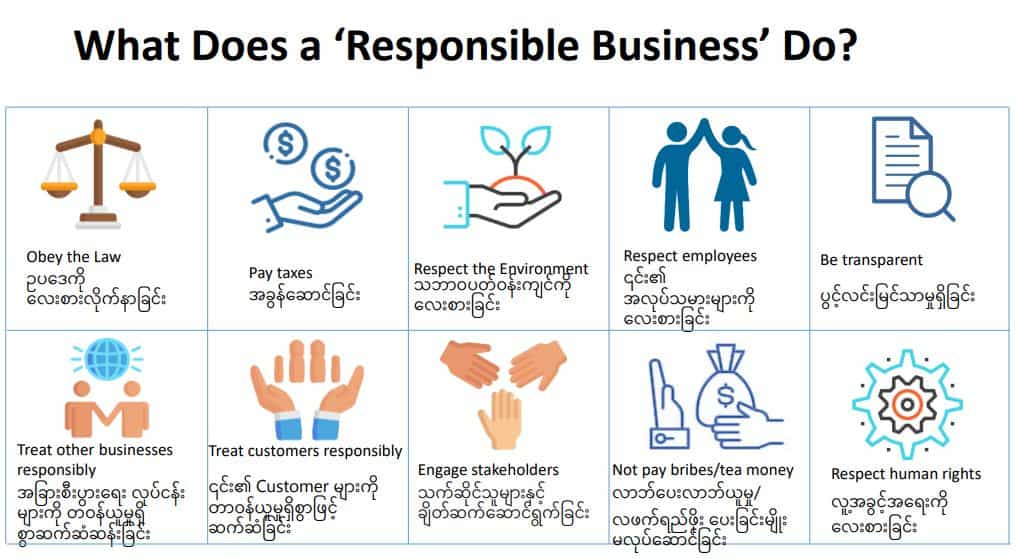
 <br><br>A responsible business obeys the law and pays its taxes. It respects its employees and its customers. It respects the environment, deals fairly with other businesses, and refuses to pay bribes. It engages the people its work affects. It also respects human rights.<br><br>
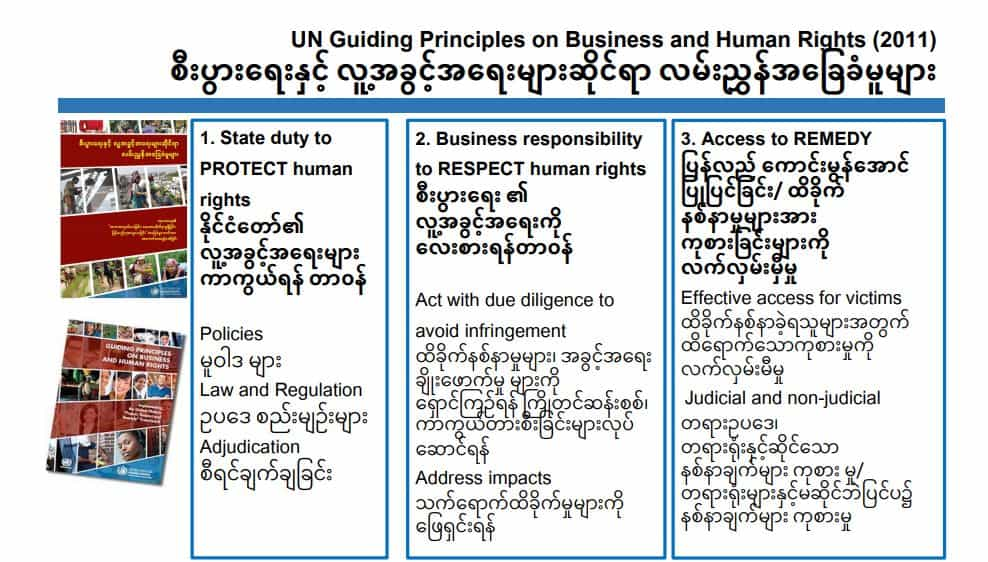
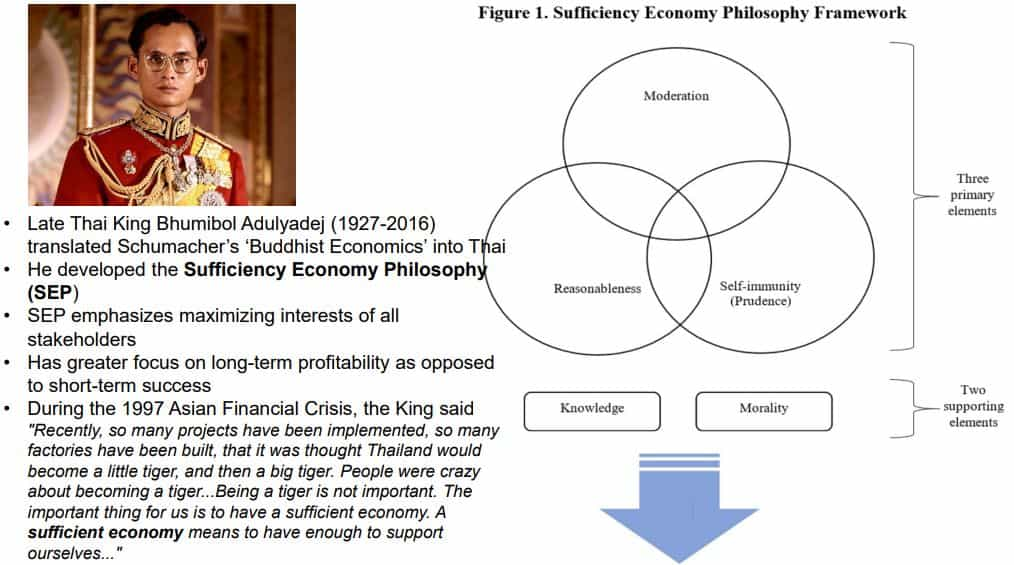
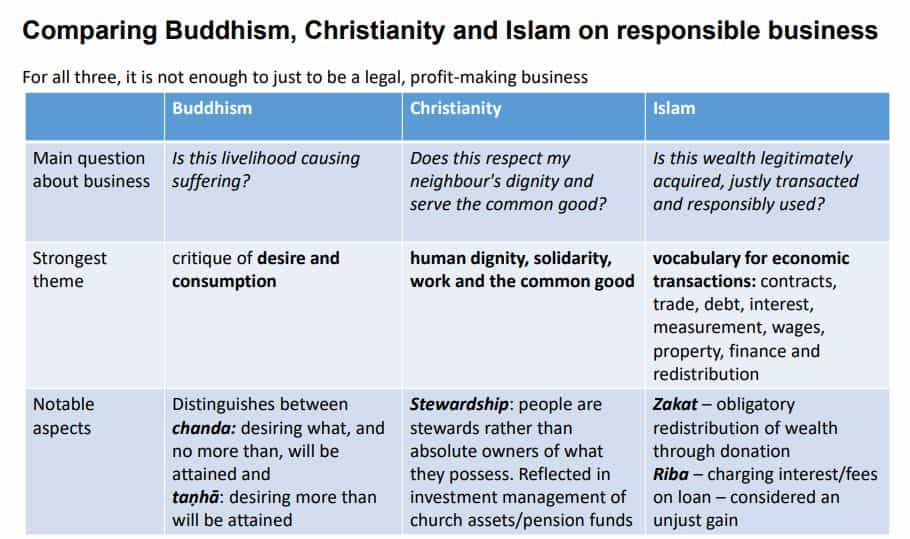
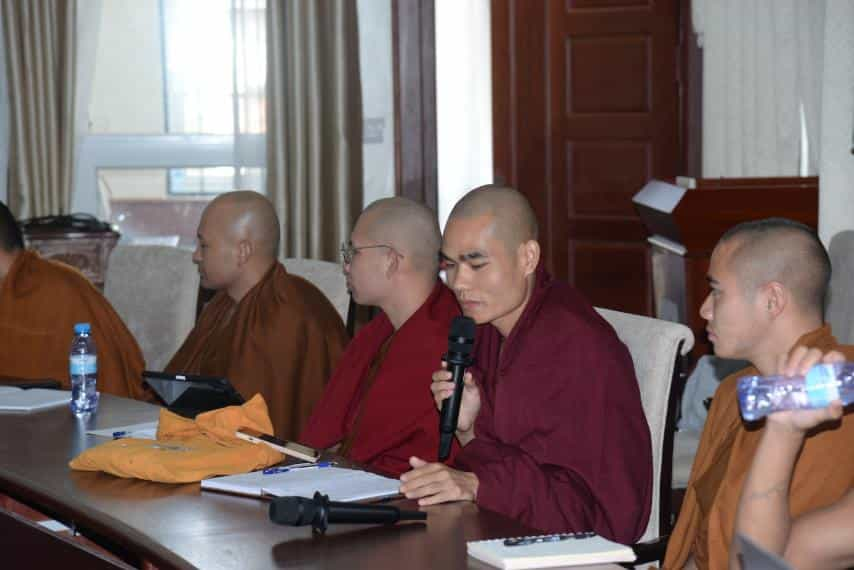
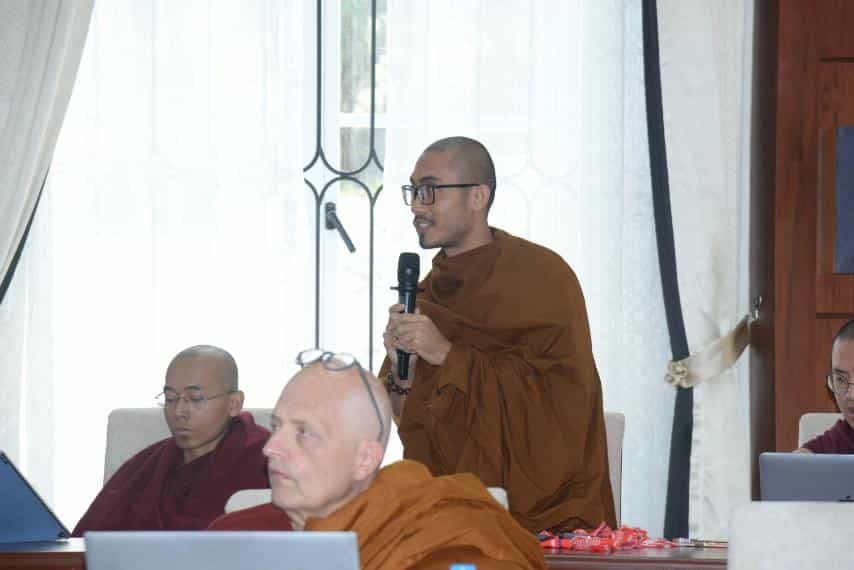
 <br><br>She then presented the UN Guiding Principles on Business and Human Rights, adopted in 2011. The framework rests on three pillars: the duty of the State to protect human rights, the responsibility of businesses to respect human rights, and access to remedy for people who are harmed. The second pillar asks companies to act with due diligence, so that they find and address any harm their activities may cause.<br><br>\n\n## From Philanthropy to Shared Value\n\nThe lecture traced how ideas of corporate social responsibility have changed over time.\n\n| Stage | Focus | Example discussed |\n| --- | --- | --- |\n| CSR 1.0 | Philanthropy: donations, sponsorship, disaster relief | A bank donates water filters to flood victims |\n| CSR 2.0 | Responsibility for a company's impact on society | A distillery installs a wastewater treatment plant |\n| CSR 3.0 | Creating shared value: business strategies that also meet social needs | A pesticide company trains farmers to use the correct amount of its product |\n\nDr. Bowman noted that many companies no longer use the term CSR at all. Some speak of responsible business conduct. Others speak of creating shared value, which calls for wider solutions to problems such as climate change and inequality. She also cautioned that donations alone do not make a company responsible. She asked the audience a question: when a businessperson says they are "giving back", does that mean they first took something away?<br><br><br><br>The audience then tested the framework on their own. A mining company that pays money to a village headman, at a time when the same headman must sign a document on whether villagers agree to the mining, drew a sharp discussion. The payment may look like charity. It may also be a form of corruption.<br><br>\n\n## Session Two: How Does This Connect to Buddhist Values?\n\nDr. Bowman turned to the Noble Eightfold Path, and began with right livelihood (). Right livelihood means earning a living in a way that is ethically sound and does not cause harm. She then placed Buddhist ideas beside their counterparts in responsible business.<br><br><br><br>She put the central question in plain words. The question is not only whether a business is profitable. It is also what the business does to other people while making that profit.<br><br>The idea of "Buddhist economics" comes from Ernst F. Schumacher, a German-British economist who lived from 1911 to 1977. He travelled to Burma in 1955 as an economic consultant to Prime Minister U Nu, and the visit changed his thinking. His essay "Buddhist Economics" appeared in London in 1966. It later became part of his book (1973), which argued against the view that bigger is always better.<br><br><br><br>Schumacher compared two economies. In the modern industrial economy, production and consumption are the goal, labour is a cost, and the aim is to increase profit and consumption. In a Buddhist economy, the economy is a means to human well-being. Work should develop a person's skills and help people cooperate. The aim is to reach a good life through the least unnecessary consumption.<br><br><br><br>The Thai scholar-monk Phra Payutto (Prayudh Aryankura) later searched the scriptures for teachings that relate to Schumacher's ideas. His book appeared in 1994. He concluded that the Buddha did not set out a system of economics. The Buddha did give many teachings on virtuous economic conduct, and from these a Buddhist economics can be drawn. Payutto observed that classical economics holds unlimited desire in check through scarcity. The Buddhist model holds desire in check through moderation and the goal of well-being. He also noted that modern economics leaves out an ethical question: does an action harm oneself or others?<br><br><br><br>King Bhumibol Adulyadej of Thailand (1927–2016) translated Schumacher's essay into Thai. He later developed the Sufficiency Economy Philosophy, which puts the interests of all stakeholders first and looks to long-term strength rather than short-term gain.<br><br>\n\n## What the Early Texts Say\n\nDr. Bowman showed how the early texts speak to modern business standards.\n\n| Sutta | Teaching | Modern parallel |\n| --- | --- | --- |\n| Sigalovada Sutta (DN 31) | Five duties of an employer to workers | ILO core conventions and national labour law |\n| Vanijja Sutta (AN 5.177) | Five trades a lay follower should avoid: weapons, human beings, meat, intoxicants, poison | Exclusion lists used by ESG investors |\n| Dighajanu Sutta (AN 8.54) | Conditions of material welfare, including guarding wealth and keeping good friends | Due diligence on the choice of business partners |\n| Anana Sutta (AN 4.62) | Four kinds of bliss, ending with blamelessness | Access to remedy for those who are harmed |\n| Kutadanta Sutta (DN 5) | Give seed to farmers, capital to traders and wages to workers | Living wages and good governance |\n| Cakkavatti-Sīhanāda Sutta (DN 26) | Neglect of the poor leads to theft and social collapse | Good governance as a base for prosperity |\n| Andha Sutta (AN 3.29) | The blind, the one-eyed and the two-eyed person | The UN Global Compact: earning wealth and knowing right from wrong |\n\nShe also set the three traditions side by side. Buddhism asks whether a livelihood causes suffering. Christianity asks whether a business respects the dignity of neighbours and serves the common good. Islam asks whether wealth is gained legitimately and used responsibly. For all three, a business that obeys the law and makes a profit is not yet enough.<br><br>\n\n## Closing\n\nThe question-and-answer session followed the two sessions.<br><br><br><br><br><br>The Most Ven. Prof. Dr. Khammai Dhammasāmi, Rector of SSBU, gave the closing remarks.<br><br><br><br>The programme ended with the presentation of certificates and group photographs.<br><br><br><br>",